Eye of the Tiger: A Designer’s Take on Wild Embroidery for Apparel
First Impressions: Bold, Playful, and Full of Personality
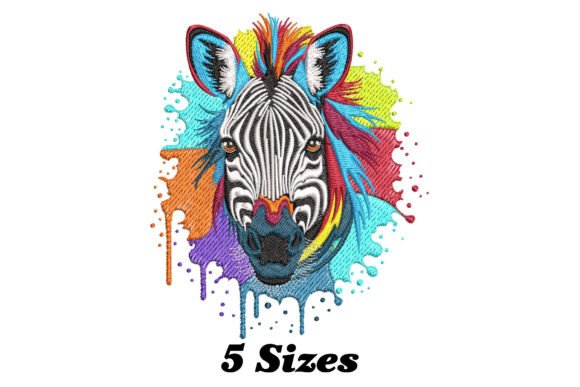
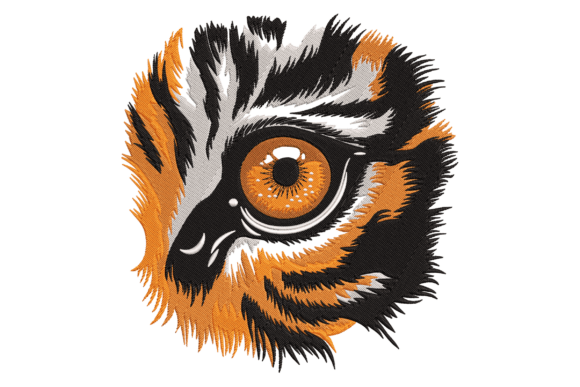
As an embroidery designer who works closely with small boutique brands and Etsy sellers, I was immediately drawn to the Eye of the Tiger design from Creative Fabrica. The visual personality is unmistakably bold and a bit wild—perfect for adding a statement to casual wear. The stitching has a dynamic, almost painterly feel, with enough detail to catch the eye without feeling overdone. It exudes a confident, trendy energy that feels right at home in today’s handmade and small-batch apparel market.
Whether you're dressing up a simple hoodie or adding flair to a tote bag, this design brings a vibrant, imaginative touch that elevates the fabric it lands on. It doesn’t feel overly precious or rustic, but rather modern and slightly edgy—ideal for boutique collections aiming to stand out.
Performance Across Apparel: From Sweatshirts to Denim Jackets
One of the first things I considered when reviewing the Eye of the Tiger was how it would translate across different garments. Let’s break it down:
- Sweatshirt Embroidery: On a neutral sweatshirt, this design really pops. The contrast between the soft fabric and the vivid, textured embroidery creates a premium feel. It's great for chest placement or even on the sleeve for a more subtle accent.
- Hoodie Design: Hoodies are a staple for boutique brands, especially during cooler seasons. Placing Eye of the Tiger on the back gives a strong visual impact. It’s also well-suited for front chest placement on pastel hoodies, where the design adds just the right amount of wild flair.
- T-shirt Embroidery: On a simple tee, this design becomes a wearable piece of art. It works especially well on oversized or relaxed fits where the design can breathe and not feel cramped.
- Denim Jacket: If you're targeting a vintage or streetwear-inspired audience, placing this on the back of a denim jacket adds a strong focal point and makes the piece feel custom and intentional.
- Tote Bag Design: Beyond apparel, this machine embroidery design is a great fit for tote bags. It adds character and makes the product feel like a curated, handmade item rather than mass-produced.
Visual Versatility: Works with Your Brand Aesthetic
What I love most about the Eye of the Tiger is how adaptable it is. On dark garments, it retains its vibrancy—especially if you choose the right thread colors. On stretchy or ribbed fabric, it maintains its structure when stabilized properly. It also holds up well on curved surfaces like sleeves or the rounded shape of a tote bag.
For a boutique brand or small clothing line, this design offers a consistent visual thread across your collection. Whether you're creating seasonal collections or building a year-round line of custom apparel, Eye of the Tiger gives you the flexibility to mix and match with other designs or let it stand alone as a signature piece.
Practical Considerations for Embroidery Shops and Etsy Sellers
Before diving into production, here are a few practical notes to keep in mind when using this Creative Fabrica embroidery file:
- Test on scrap fabric: Especially important when working with fleece or stretchy materials. This helps you gauge how the design will react to different textures.
- Check stabilizer choice: For stretchy or ribbed fabric, use a medium-weight stabilizer to prevent distortion.
- Review thread color contrast: The design’s vibrancy depends on the contrast between thread and fabric. Always test with your intended color palette.
- Confirm hoop size: Ensure your machine can accommodate the design size, especially if you're placing it on the back of a hoodie or tote.
- Inspect stitch density: Dense areas may require adjustments in tension or thread choice to avoid puckering.
- Test on similar garment fabric: Don’t skip this step—it can save time and materials in the long run.
- Compare placement options: Try different positions to see how the design interacts with the garment shape.
- Review Creative Fabrica product details: Licensing terms and file formats are crucial if you're selling finished products.
Where to Use Eye of the Tiger Carefully
While the Eye of the Tiger design is versatile, there are a few situations where extra care is needed:
- Small chest placement: May lose impact if scaled down too much.
- Dense stitch areas: Watch for thread buildup on stretchy or thin fabrics.
- Dark garments: Be mindful of thread color choices to ensure visibility.
- Curved surfaces: Proper hooping and stabilizing are key to maintaining clarity.
- Tiny lettering: Not ideal if you're planning to add text too close to the design.
- Areas that may stretch or wrinkle: Think about how the design will hold up after wear and washing.
Adding Value to Your Brand and Products
From a branding perspective, the Eye of the Tiger embroidery file can do more than just decorate a garment—it can help define your brand identity. When used consistently across your product line, it builds recognition and gives customers a visual cue to associate with your boutique or handmade product.
It also enhances the perceived value of your apparel. Because of its detailed and artistic look, it feels like a premium addition to any piece, even if the base garment is simple. This can help justify higher price points and increase buyer trust in your small shop product.
When paired with quality printable mockups and social media graphics, the design becomes part of a cohesive brand story. It’s not just about selling a hoodie—it’s about selling a lifestyle, a feeling, a curated experience.
Final Thoughts: A Must-Have for Trend-Forward Embroidery Designers
Overall, the Eye of the Tiger is a standout machine embroidery design that brings both visual impact and practical flexibility to your apparel projects. Whether you're creating a cozy seasonal collection or a bold summer line, this design gives you the creative freedom to express your brand while delivering a professional finish.
For embroidery shops, small clothing brands, and digital sellers, it’s a smart addition to your design toolkit. Just remember to test before producing at scale, and always match the design to your fabric and placement for the best results.