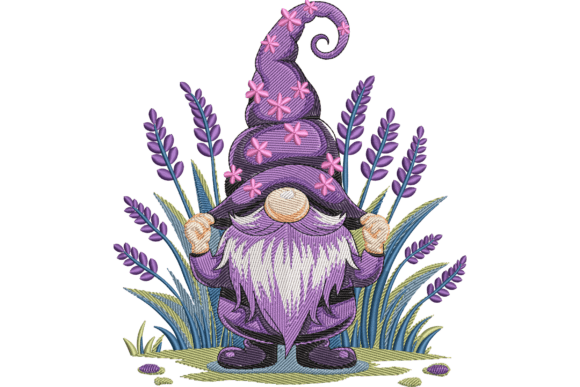
Lavender Gnome: A Designer’s Real-World Review for Embroidery Projects
First Impressions: Cheerful, Quaint, and Ready to Stitch
When I first opened the Lavender Gnome embroidery design, I was struck by its whimsical charm and the subtle sophistication of the lavender theme. It’s the kind of design that instantly brings a smile—perfect for summer projects where a little personality goes a long way. The gnome’s expression is friendly without being cutesy, and the lavender sprigs add a botanical flair that feels both modern and timeless.
From a design standpoint, the layout is well-balanced, with enough detail to feel handcrafted, but not so intricate that it becomes a stitching nightmare. The shape is compact, which makes it versatile for a variety of placements—chest pockets, corners of towels, or even centered on a baby onesie. It’s clearly intended for machine embroidery, with clean satin and fill stitches that suggest good digitizing work.
Real-Life Use: From Tote Bags to Baby Onesies
I decided to test Lavender Gnome on a few different items to see how it would hold up in actual embroidery work. My first test was on a natural cotton tote bag. The gnome stitched out beautifully, with crisp edges and smooth transitions between satin and fill stitches. The lavender sprigs added just enough color contrast without overwhelming the design. It gave the tote a boutique-style finish that would be perfect for a small shop or Etsy listing.
Next, I tried it on a soft sweatshirt fabric. The texture of the fabric didn’t interfere with the clarity of the design, which is a win in my book. The gnome’s face remained expressive even after hooping and stitching. I could easily see this design being used for a personalized gift—a custom sweatshirt for a niece or nephew with a name embroidered underneath.
For a baby project, I embroidered Lavender Gnome onto a 100% cotton onesie. The result was adorable, and the design didn’t bunch or pucker the fabric, which is always a concern with stretchy or thin materials. It added a subtle, handmade touch that parents would appreciate. Definitely a good fit for a baby shower gift or a boutique baby line.
Where Lavender Gnome Shines—and Where to Be Cautious
This design works exceptionally well on medium-weight, stable fabrics like cotton, linen, and even some light denim. It’s ideal for tote bags, tea towels, pillow covers, and casual apparel like sweatshirts or t-shirts. The compact size makes it perfect for embroidered patches or small branding touches on boutique products.
However, there are a few things to watch for. If you’re working with a very small hoop size, you may find that some of the finer details—like the gnome’s eyes or the lavender leaves—get compressed and lose clarity. I’d recommend checking the stitch density and possibly adjusting thread colors if you’re using a dark fabric, as some of the lighter lavender elements might not stand out as well as expected.
I also noticed that on curved surfaces like caps or hats, the gnome’s face can slightly distort if the stabilizer isn’t applied correctly. Since there are some satin-stitched elements, it’s important to use the right stabilizer and tension settings to maintain the design’s crispness. For layered garments or items that will be washed frequently, consider reinforcing the back with a tear-away stabilizer to prevent fraying or stretching over time.
Design Impact: Visual Appeal and Customer Response
One of the key factors I consider when evaluating an embroidery design is how it affects the overall look and feel of the finished product. Lavender Gnome adds a cheerful, artistic touch that elevates even the simplest fabric. It’s not just decorative—it tells a story. Whether it’s stitched onto a kitchen towel or a boutique tote, it gives the item a sense of intention and craftsmanship.
From a business perspective, this design has strong “giftability.” It’s the kind of detail that makes someone say, “I have to get this for so-and-so.” For Etsy sellers or small shop owners, that kind of visual appeal translates directly into customer engagement and repeat sales. It’s also versatile enough to be used across multiple product lines—holiday gifts, nursery decor, even wedding favors.
On the flip side, if you’re aiming for a minimalist or ultra-modern aesthetic, this design might feel too whimsical. It’s not a one-size-fits-all solution, but rather a charming, niche design that works best in the right context. Think handmade, boutique, artisanal—this is your go-to embroidery file for that kind of branding.
Designer Notes: Practical Tips Before You Stitch
- Test on scrap fabric first—especially if you’re using a new fabric type or color.
- Check thread color contrast to ensure the lavender elements stand out on your chosen background.
- Review stitch density before embroidering on stretchy or delicate materials.
- Confirm hoop size matches your machine and the intended placement.
- Inspect small details like the gnome’s eyes or leaf outlines to make sure they won’t be lost on smaller hoop sizes.
- Try a black and white mockup to see how the design reads without color.
- Use the right stabilizer based on your fabric type—cut-away for stretchy fabrics, tear-away for cotton.
- Confirm licensing if you plan to sell finished items or include the design in digital product bundles.
Final Thoughts: A Versatile Addition to Your Embroidery Library
Lavender Gnome is more than just a cute design—it’s a practical, adaptable embroidery file that can enhance a wide variety of handmade and commercial products. Whether you’re creating personalized gifts, boutique apparel, or craft fair items, this design brings a unique visual personality that’s both eye-catching and easy to stitch.
As a designer, I appreciate how it balances charm with functionality. It’s not overly complex, which makes it great for both beginners and experienced embroiderers. And for small business owners, it’s a smart choice for adding a handmade touch that resonates with customers.
If you’re looking for a summer-ready embroidery design that can work across multiple product lines, Lavender Gnome is definitely worth a closer look. Just be sure to test it in different contexts and fabrics before diving into a full production run.